Home » News » Product News » HVAC Filters » MERV 13 Filter Guide: Efficiency, Airflow And HVAC Selection
Hot Keywords:
- All
- Product Name
- Product Keyword
- Product Model
- Product Summary
- Product Description
- Multi Field Search

Views: 50 Author: Melody Publish Time: 2026-10-12 Origin: Site


Looking for better air filtration for your HVAC system? MERV 13 filters capture more fine airborne particles than lower-rated filters.
But higher efficiency does not always mean better performance. Airflow, pressure drop and system compatibility also matter.
So, is MERV 13 the right choice for your HVAC system? This guide explains its filtration efficiency, common applications and key selection factors to help you make an informed decision.

MERV stands for Minimum Efficiency Reporting Value. It is a rating system developed by ASHRAE to measure how effectively an air filter captures particles of different sizes.
MERV 13 is a high-efficiency filter rating commonly used in residential and commercial HVAC applications.
Compared with lower-rated filters, MERV 13 captures a higher percentage of smaller airborne particles. However, the actual performance of a filter also depends on its design, installation and operating conditions.
For a complete comparison of all ratings, see our MERV 1–16 Rating Chart.
Under ASHRAE Standard 52.2, MERV 13 filters must meet the following minimum particle-size efficiency requirements:
| Particle Size | Minimum Efficiency |
| 0.3–1.0 μm | 50% |
| 1.0–3.0 μm | 85% |
| 3.0–10.0 μm | 90% |
These requirements show that MERV 13 filters can capture a significant portion of fine airborne particles.
They are commonly considered for applications where better control of dust, pollen, mold spores and other airborne particles is required.
Actual filtration performance depends on the filter construction and test conditions.
| Feature | MERV 8 | MERV 13 |
| Filtration Level | Basic to moderate | Higher efficiency |
| Fine Particle Capture | Lower | Higher |
| Typical Applications | General residential HVAC | Residential and commercial HVAC |
| Airflow Considerations | Depends on filter design | Requires careful pressure drop evaluation |
A MERV 13 filter can provide stronger filtration, but it should not be selected simply because it has a higher number.
For some HVAC systems, increasing filtration efficiency without checking airflow capability may create unnecessary resistance.

Sometimes, but not always.

Before upgrading from MERV 8 to MERV 13, consider:
The fan must be able to maintain the required airflow after the filter upgrade.
A larger filter surface area can help reduce airflow resistance.
Two filters with the same MERV rating can perform differently depending on:
Media type
Pleat structure
Filter depth
Effective filtration area
Pressure drop is one of the most important factors when selecting a higher-efficiency filter.
Related Guide:
MERV 13 filters are considered for various applications that require higher-efficiency air filtration.
| Application | Selection Considerations |
| Residential Buildings | System compatibility and everyday particle control |
| Offices and Commercial Buildings | Airflow requirements and occupancy |
| Schools and Public Buildings | Filtration needs and HVAC capacity |
| Commercial HVAC Systems | Filter dimensions, pressure drop and maintenance |
| Industrial Applications | Process requirements and equipment design |
The required filtration level depends on the building, ventilation system and indoor air quality goals. Always check the applicable design requirements before selecting a filter.

How can a filter capture smaller particles while maintaining acceptable airflow?
Common design solutions include:
Pleated structures allow more filter media to fit into the same installation space.
Proper pleat spacing helps improve airflow distribution through the filter.
Different media combinations influence:
Efficiency
Resistance
Dust-holding capacity
Different systems may require different designs:
Pleated filters
Pocket filters
HEPA filters
V-bank filters
Offices
Retail spaces
Public buildings
Schools
Training facilities
Clinics
Medical facilities with suitable HVAC designs
Applications requiring higher particle filtration while maintaining system airflow.
The final selection should always match the HVAC system requirements.
| Specification | Why It Matters |
| MERV Rating | Determines filtration performance |
| Filter Dimensions | Ensures correct installation |
| Media Type | Affects efficiency and resistance |
| Airflow | Determines system compatibility |
| Pressure Drop | Influences HVAC performance |
| Frame Material | Matches operating environment |
| Filter Structure | Affects service life and airflow |
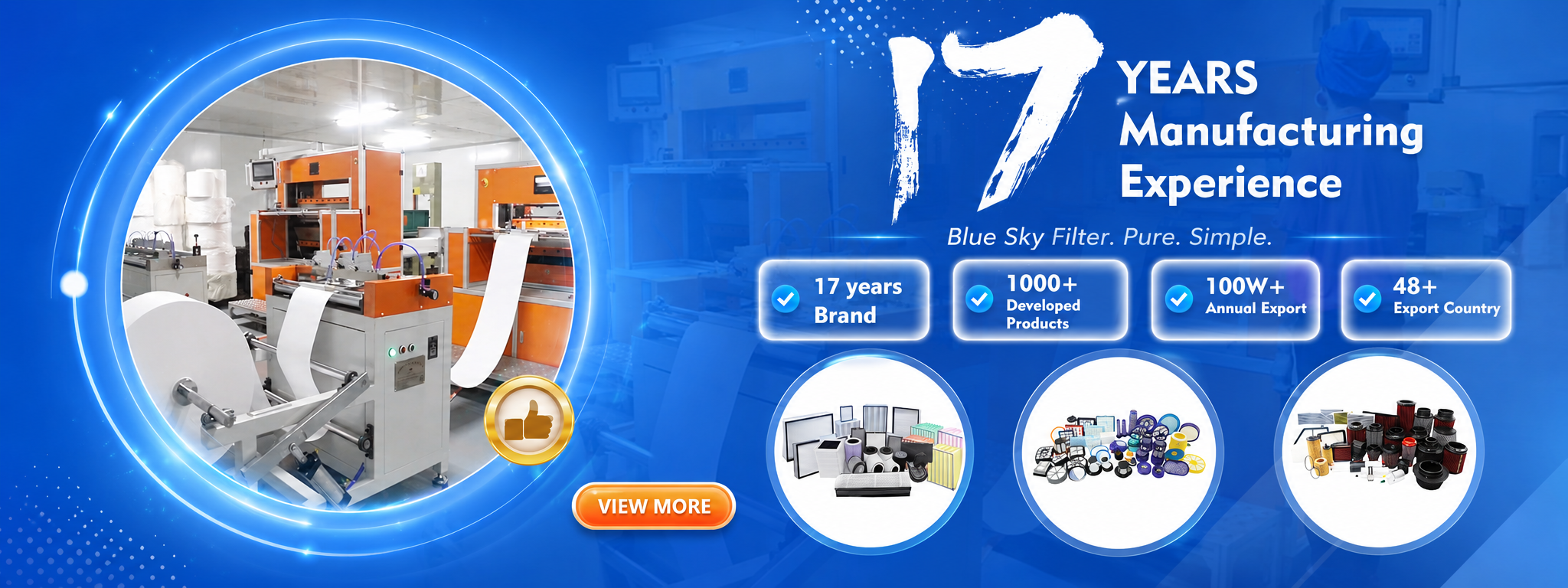
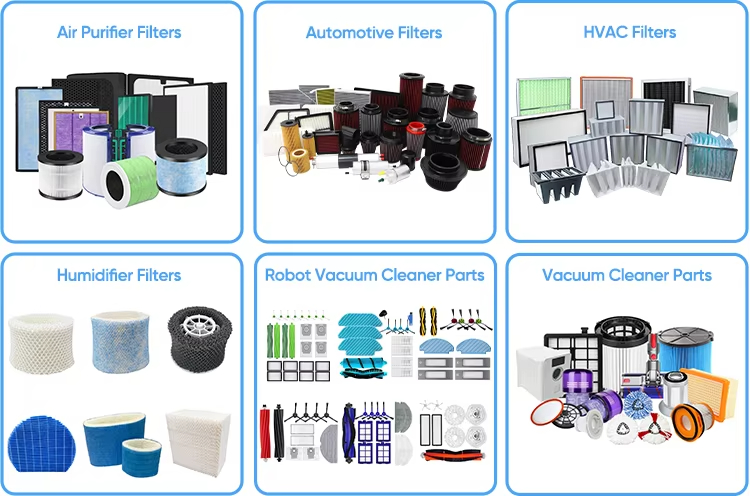
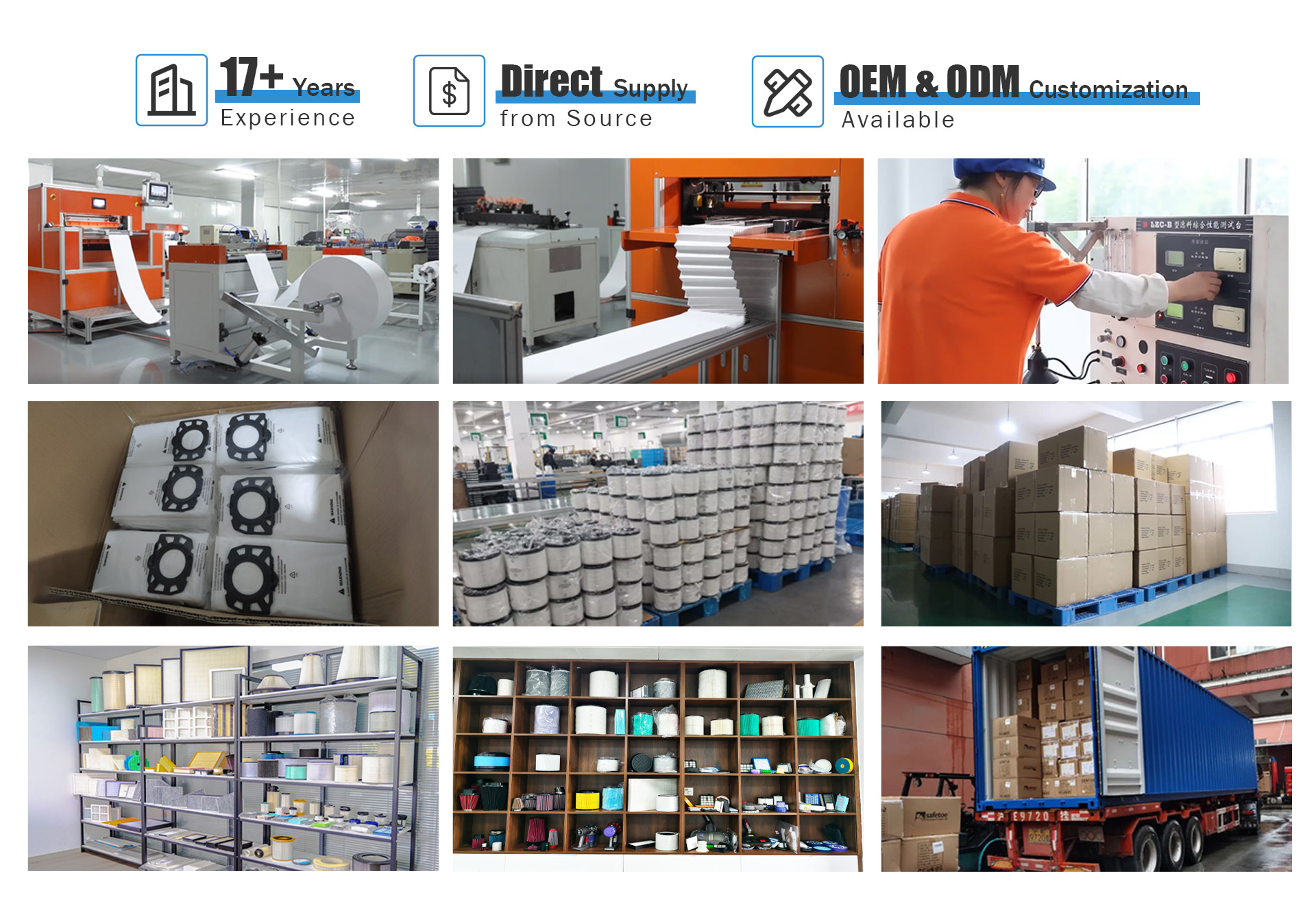
Blue Sky Filter provides customized HVAC filtration solutions for customers requiring different efficiency levels, dimensions and operating conditions.
Advantages include:
Compact installation
Multiple size options
Custom media selection
Different frame configurations
Recommended Link(Click the image to view product details and customization options):

They are commonly used in:
Commercial HVAC systems
Air handling units
Ventilation systems
Recommended Link(Click the image to view product details and customization options):

HEPA filters
V-bank filters
Customized high-efficiency filtration solutions
Recommended Link(Click the image to view product details and customization options):


Filter dimensions
Required MERV level
Airflow conditions
Pressure drop requirements
Installation environment
Frame specifications
Blue Sky Filter evaluates the filter structure and media configuration according to the actual application requirements.
Need a custom HVAC filter matched to your target MERV rating, airflow and pressure drop? Send us your required dimensions and operating conditions for evaluation.

MERV 13 provides higher filtration performance than MERV 8, but the correct choice depends on HVAC system compatibility and airflow requirements.
No. Some systems may not be designed for higher-resistance filters. Airflow capacity and pressure drop should be evaluated before upgrading.
A MERV 13 filter may increase resistance compared with lower-rated filters, but actual airflow impact depends on filter design, media area and HVAC system conditions.
No. MERV and HEPA use different classification systems. HEPA filters are designed for much higher-efficiency filtration applications.
Many commercial systems use MERV 11–13 filters, but the correct rating depends on building requirements, airflow design and maintenance conditions.
However, selecting the right filter is not simply about choosing the highest MERV rating.
A successful HVAC filtration solution requires balancing:
Filtration Efficiency + Airflow Performance + Pressure Drop + System Compatibility
With customized MERV pleated filters, pocket filters and high-efficiency filtration solutions, Blue Sky Filter helps customers select filter structures that match their real operating conditions.

If you want to see our updates in real time on social media, you can follow the following accounts.
LinkedIn: linkedin.com/company/blueskyfilter
Twitter: twitter.com/blueskyfilter
Facebook: www.facebook.com/blueskyfilter.manufacturer/
Youtube: www.youtube.com/@blueskyfilter
Instagram: https://www.instagram.com/nanjingblueskyfilters/


