Home » News » Application » How to Protect Air Filters During Shipping: Packaging Methods and Buyer Considerations
Hot Keywords:
- All
- Product Name
- Product Keyword
- Product Model
- Product Summary
- Product Description
- Multi Field Search

Views: 5 Author: Melody Publish Time: 2026-07-08 Origin: Site


Air filters can be vulnerable to damage during international shipping, especially when they contain delicate pleated media, exposed filter surfaces, or frames that require careful handling.
Proper air filter packaging starts with matching the packaging method to the filter's structure, dimensions, weight, and shipping conditions. Individual poly bags and cartons provide basic packaging protection, while certain products may require additional cushioning, palletization, or wooden crates.
For air filter importers, HVAC distributors, and industrial filtration buyers, understanding these options helps reduce packaging-related risks and clarify shipping requirements before placing an order.
This guide explains common protective packaging methods, when additional protection may be necessary, and what buyers should confirm with their filter manufacturer.
Air filters often pass through several handling stages before reaching their destination, including factory packing, loading, international transportation, customs handling, and warehouse storage.
During these stages, unsuitable packaging may increase the risk of:
Frame deformation: Insufficient support or external pressure may affect the filter frame.
Filter media damage: Exposed or delicate media may be vulnerable to contact or compression.
Movement inside cartons: Excessive empty space or inadequate internal support may allow products to shift during handling.
Moisture exposure: Packaging may not provide sufficient protection under certain shipping or storage conditions.
These risks vary depending on the filter design.
For example, a filter with exposed pleated media may need different protection from a filter with a more rigid frame and enclosed media structure.
For buyers, the objective is not simply to use more packaging materials. It is to select appropriate protection without introducing unnecessary pressure, packaging volume, or cost.
Several packaging methods can be considered depending on the filter structure and shipping requirements.
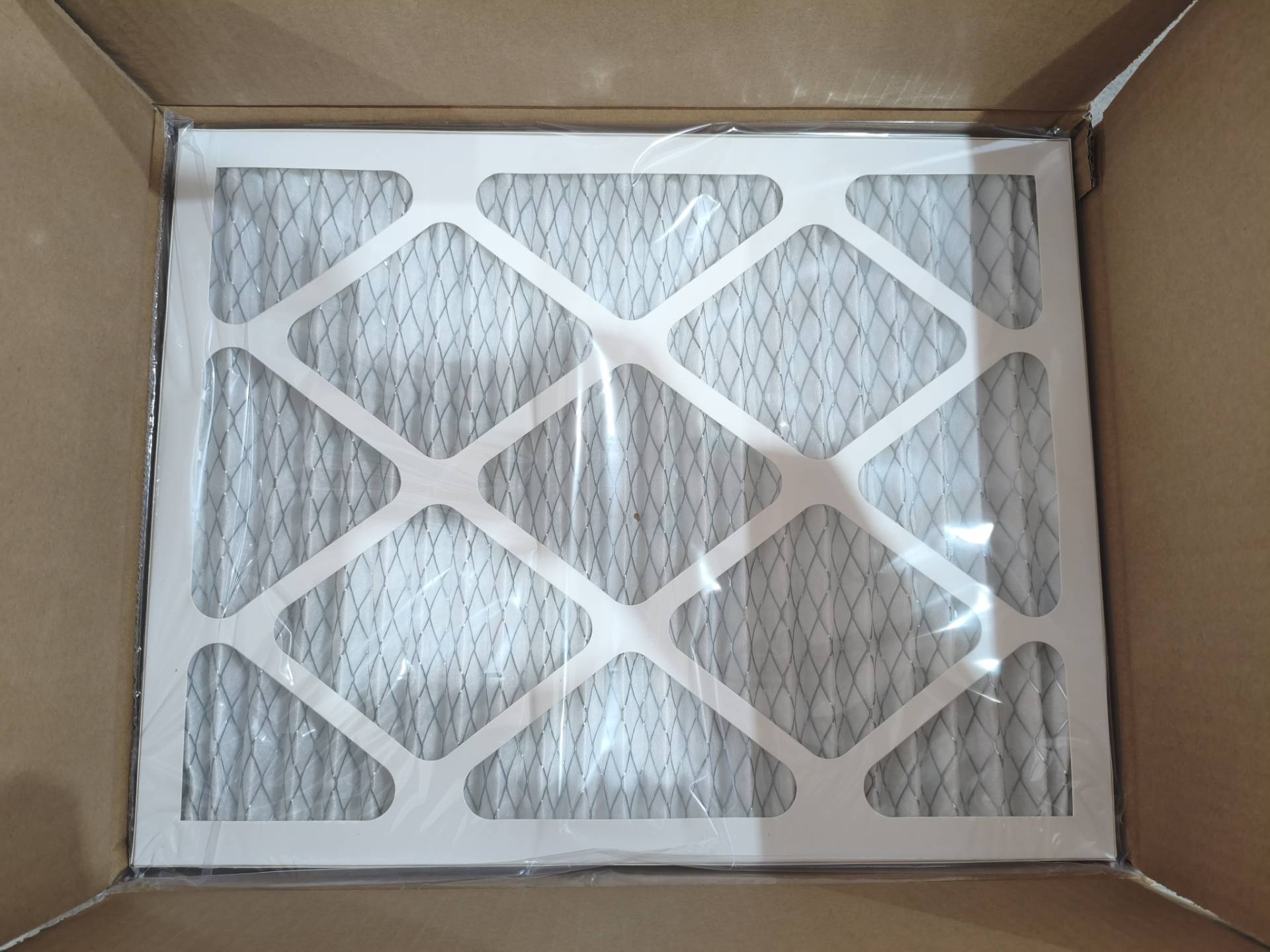
Individual packaging is an important first step in preparing replacement filters for shipment.
At Nanjing Blue Sky Filter, each filter is packed in a clear poly bag before being placed in a neutral packaging box.
This packaging arrangement helps separate individual products and reduce direct contact during handling and storage.
Individual bags can also support product identification. For buyers requiring FNSKU labels, these labels can be applied to individual product bags according to their requirements, including orders that are not shipped directly to Amazon warehouses.
Important: A standard clear poly bag should not automatically be considered waterproof or moisture-proof. Its protective performance depends on the bag material and sealing method.
Buyers with specific moisture-protection requirements should confirm the packaging specifications before production.
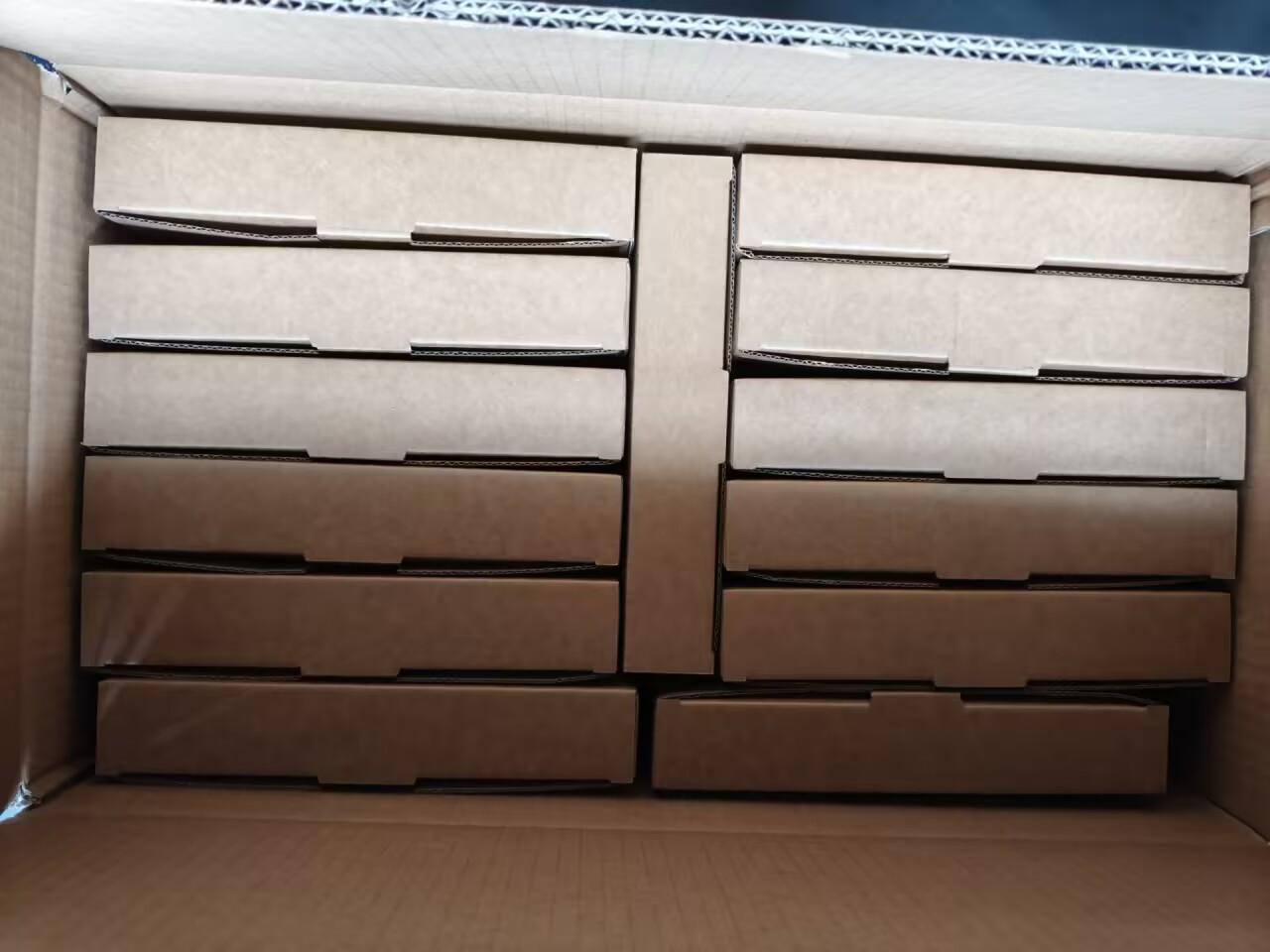
After individual packaging, filters are placed in neutral boxes.
The dimensions and internal arrangement of the packaging should match the actual product size and structure.
When evaluating carton packaging, several factors should be considered:
Filter dimensions and weight
Frame strength and construction
Location of exposed filter media
Available internal support
Potential product movement during transportation
An oversized box without adequate support may allow excessive product movement. A box that applies pressure to delicate filter components may also be unsuitable.
For shipments going directly to Amazon warehouses, the required Amazon transport labels can be placed on the shipping cartons.
These labels support shipment identification and warehouse processing; they do not provide physical protection.
Some filters may require additional cushioning to reduce the risk of movement or contact damage during transportation.
Bubble wrap, foam, and other protective materials can be evaluated based on the product shape, exposed components, and shipping conditions.
For example, filters with delicate frames or exposed pleated media may require additional consideration compared with products with more rigid construction.
However, cushioning materials should not be assumed to be included in every standard packaging arrangement. Their use should be confirmed before production and packing.
More cushioning does not always mean better protection. Packaging materials must be arranged carefully to avoid placing excessive pressure on the filter structure or increasing shipping volume unnecessarily.
For certain filters, standard cartons may not provide the required handling support.
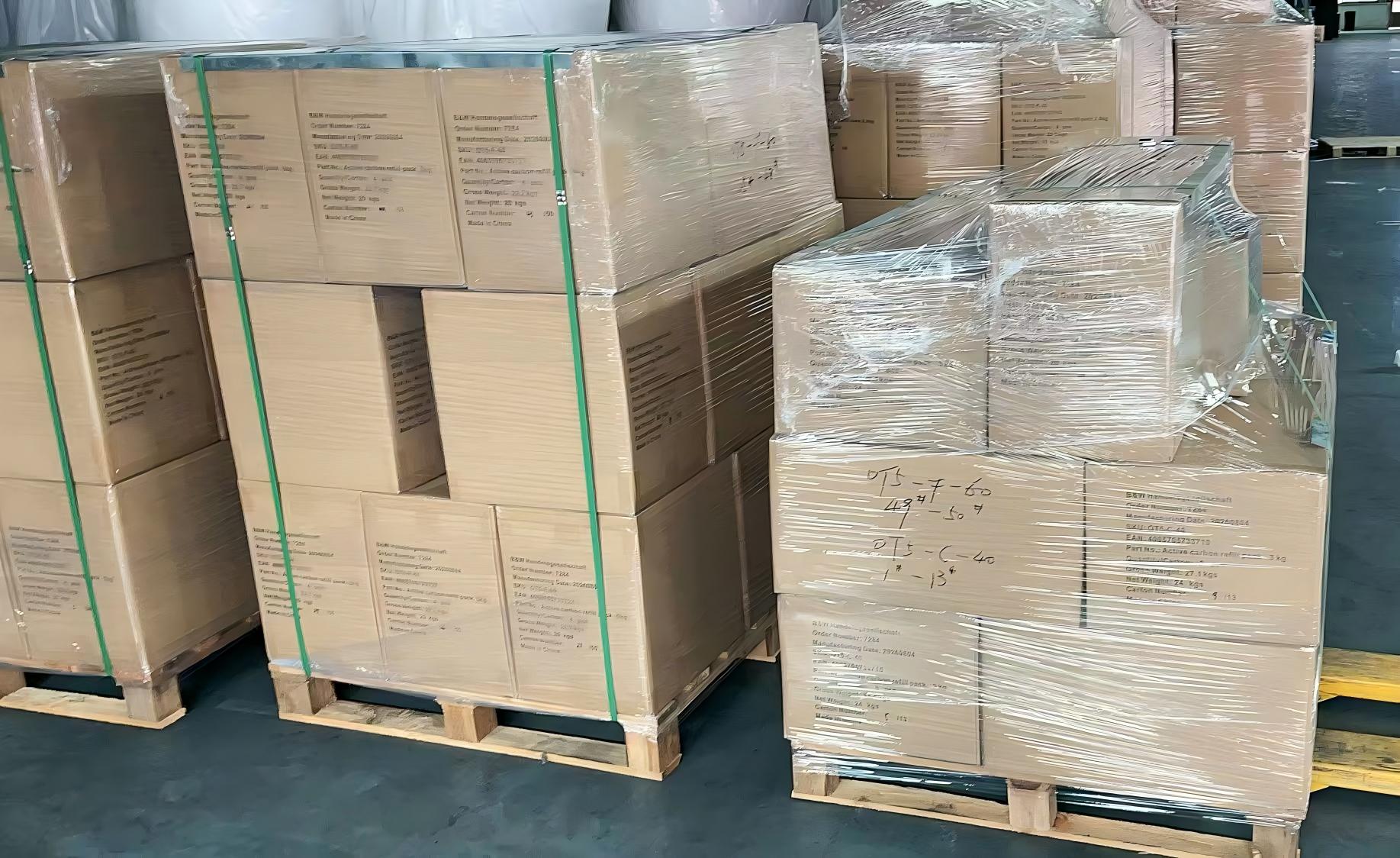
Wooden pallets or wooden crates can be arranged as special packaging solutions for products with fragile frames, exposed filter media, or other structural characteristics requiring additional protection.
These solutions may be considered when the shipment requires more stable handling or additional support during long-distance transportation.
The packaging method should be selected according to:
Product dimensions and weight
Filter frame and media construction
Shipping method
Handling and transportation conditions
Customer packaging requirements
Pallets and crates serve different purposes. Pallets primarily support grouped handling and loading, while properly designed crates may provide additional enclosure and structural protection.
Their suitability must be assessed for the actual shipment.
The following table provides a practical comparison for buyers evaluating protective filter packaging.
| Packaging Method | Main Purpose | Buyer Considerations |
|---|---|---|
| Individual poly bag | Separates individual products and provides a basic packaging layer | Bag material, sealing method, labeling |
| Neutral box | Organizes and contains an individual packed filter | Product fit, box dimensions, internal support |
| Bubble wrap or foam | Provides additional cushioning where needed | Pressure on delicate areas, product movement |
| Wooden pallet | Supports grouped loading and handling | Load arrangement, stability, handling method |
| Wooden crate | May provide additional enclosure and structural protection | Product weight, dimensions, support requirements |
There is no single best packaging method for every air filter.
A suitable packaging plan should be developed according to the product design and the expected transportation conditions.
For filter distributors, HVAC contractors, and private-label buyers, packaging requirements should be discussed during the quotation or order-confirmation stage.
The following information can help the manufacturer evaluate an appropriate solution.
Provide the filter dimensions, weight, frame structure, and media type.
Product drawings, specifications, or actual product photos are particularly useful when the filter has exposed media or a delicate frame.
Confirm the intended shipping method and destination.
Different transportation and handling conditions may influence the packaging arrangement.
If cushioning, wooden pallets, or wooden crates are required, these should be discussed and confirmed before packing.
Buyers should specify whether individual product labels, FNSKU labels, or outer carton shipping labels are required.
Product labels and carton transport labels serve different identification purposes and should be confirmed separately.
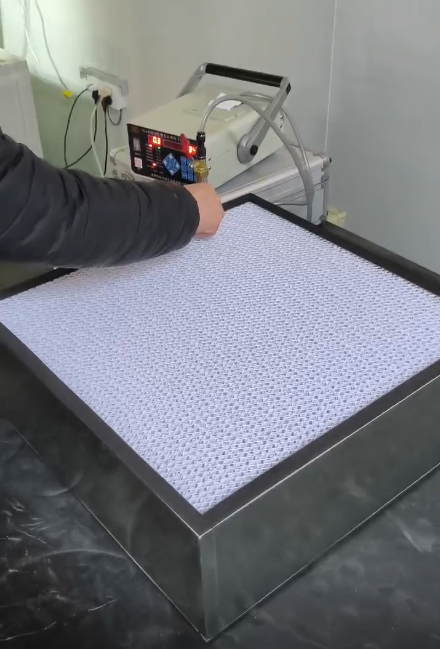
Buyers should clarify whether standard pre-shipment checks are sufficient or whether additional packaging tests are necessary.
Drop testing, compression testing, and moisture-resistance testing should not be assumed to be included unless separately agreed.
Protective packaging should be considered alongside product inspection and shipment identification.
At Nanjing Blue Sky Filter, the QC team conducts random product sampling before shipment. Product photos are also sent to buyers for approval.
These steps provide an opportunity to review sampled products and confirm their appearance before dispatch.
However, random sampling and photographic confirmation are not equivalent to formal packaging performance testing.
If a buyer requires specific drop, compression, or moisture-resistance tests, the test methods and acceptance criteria should be discussed separately before shipment.
This distinction is important when evaluating shipping requirements for delicate or high-value filtration products.
Q1: Is each filter individually packed in a plastic bag?
Yes.At Nanjing Blue Sky Filter, each filter is individually packed in a clear poly bag and then placed in a neutral packaging box. This arrangement helps separate products during handling and storage.
Q2:Can bubble wrap or foam be added to protect fragile filters?
Bubble wrap, foam, and other cushioning materials can be evaluated according to the filter design and shipping requirements. Additional packaging should be confirmed before production and packing.
Q3: How do you prevent filters from moving or deforming inside the box?
Filters are individually packed and placed in neutral boxes. For products requiring additional support, suitable internal cushioning or special packaging can be evaluated according to the product structure and shipping conditions.
Q4:Can large or delicate filters be shipped in wooden crates?
Wooden crates and pallets can be arranged for filters requiring special handling or additional protection. The appropriate solution depends on the product's size, weight, construction, and transportation requirements.
Q5: Can FNSKU labels be applied if the goods are not shipped directly to Amazon warehouses?
Yes. FNSKU labels can be applied to individual product bags according to the buyer's requirements, regardless of the final shipping destination. Amazon transport labels for shipping cartons are handled separately when goods are shipped directly to Amazon warehouses.
Q6: Are filters inspected before shipment?
The QC team conducts random product sampling, and product photos are sent to the buyer for approval before shipment. Any additional inspection or packaging test requirements can be discussed in advance.
Effective filter packaging is not simply about adding more layers of protection. It requires understanding how the product is constructed, how it will be transported, and which parts need additional support.
Individual poly bags and neutral boxes provide a starting point for standard filter packaging. Additional cushioning, pallets, or wooden crates may be considered when the product structure or transportation conditions require them.
For buyers sourcing replacement air filters or custom filtration products, confirming packaging requirements early can help avoid misunderstandings before production and shipment.
The right filter packaging should match the actual product structure and transportation requirements. Proper packaging is not simply about using more materials, but about choosing the right protection for each filter.
Need Packaging Support for Your Filter Order?
If you are sourcing replacement filters, HVAC filters, or custom industrial filtration products, share your filter drawings, dimensions, product photos, order quantity, and shipping destination with Nanjing Blue Sky Filter.
Our team can review the product specifications and discuss suitable packaging arrangements, labeling requirements, and any additional protection needed before production.
Please feel free to send your inquiry to sales@bluesky-filter.com.
If you want to see our updates in real time on social media, you can follow the following accounts.
LinkedIn: linkedin.com/company/blueskyfilter
Twitter: twitter.com/blueskyfilter
Facebook: www.facebook.com/blueskyfilter.manufacturer/
Youtube: www.youtube.com/@blueskyfilter
Instagram: https://www.instagram.com/nanjingblueskyfilters/


