Abstract
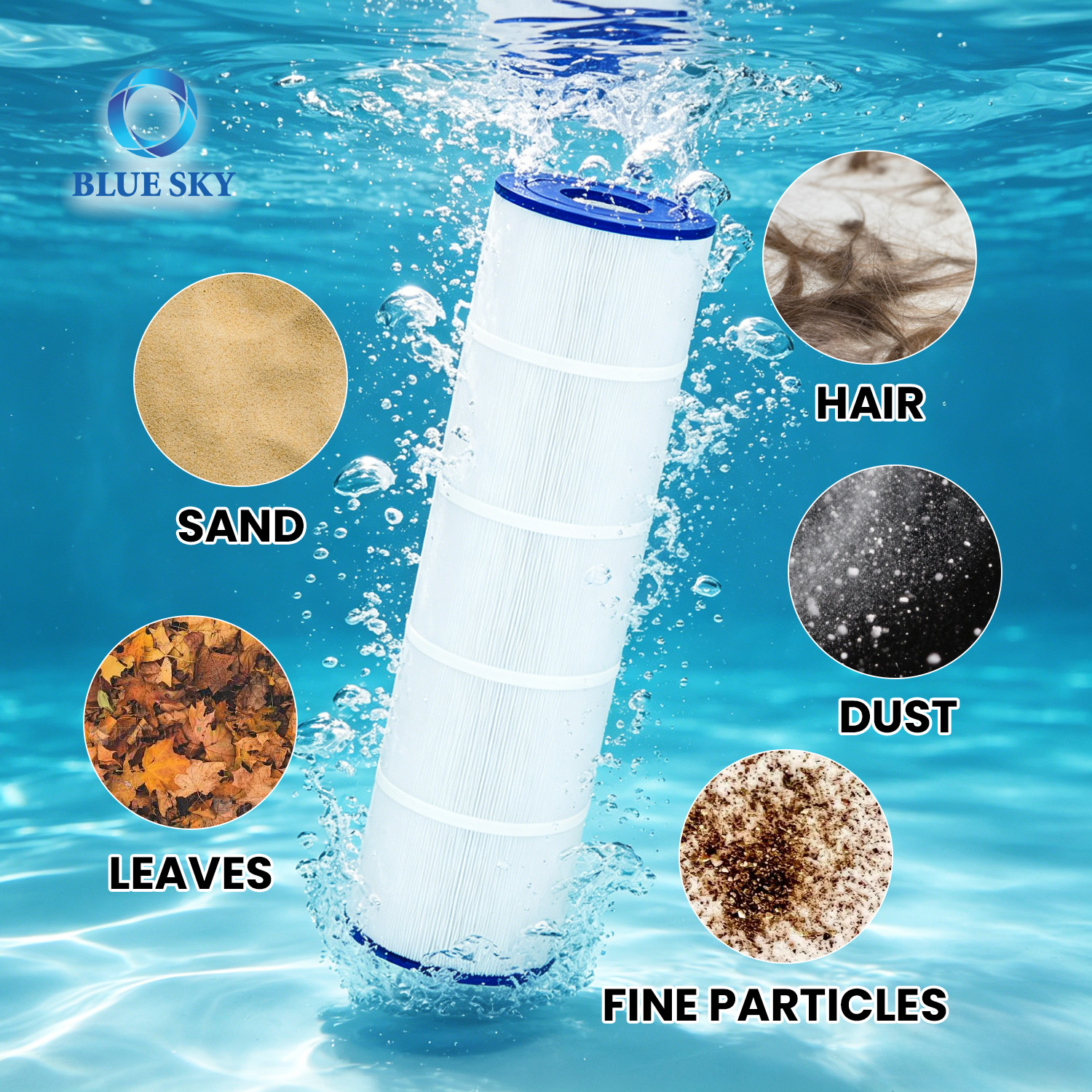
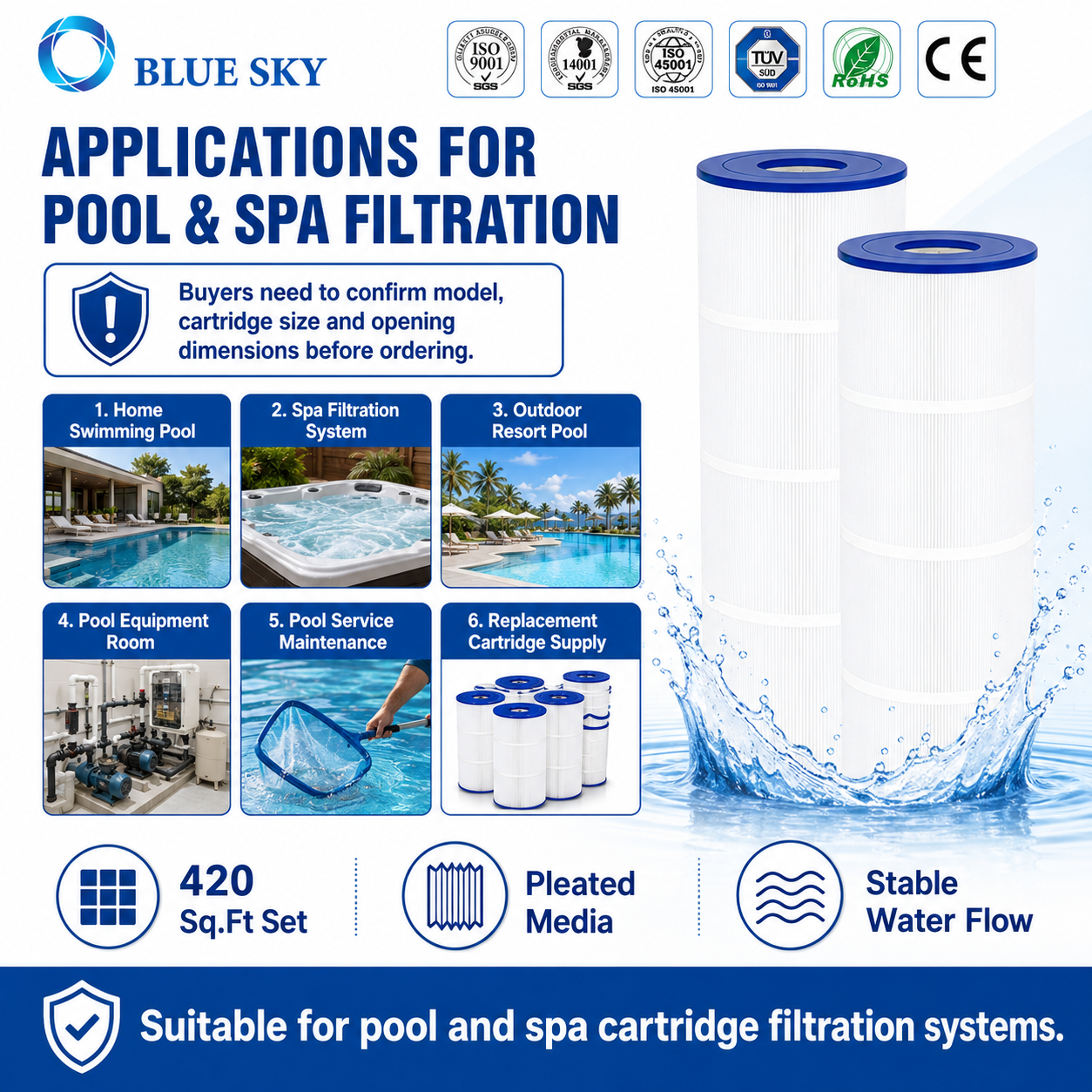
A pool filter cartridge plays an important role in swimming pool, spa and hot tub water filtration systems. It helps capture dirt, sand, leaves, hair, sediments and other debris while supporting pool water circulation. However, choosing the right cartridge is not only about finding a similar reference number. Buyers also need to confirm filtration area, cartridge dimensions, end cap structure, inner core design and filter housing compatibility.
This guide explains what a pool filter cartridge is, what filtration area means, why cartridge size matters, how to understand common replacement references, when to clean or replace a cartridge, and what B2B buyers should confirm before wholesale or OEM/ODM orders.
A pool filter cartridge is a replaceable filtration element used inside a pool, spa or hot tub filtration system. Water passes through the cartridge, and the filter media helps trap suspended particles and visible debris before the water returns to the pool system.
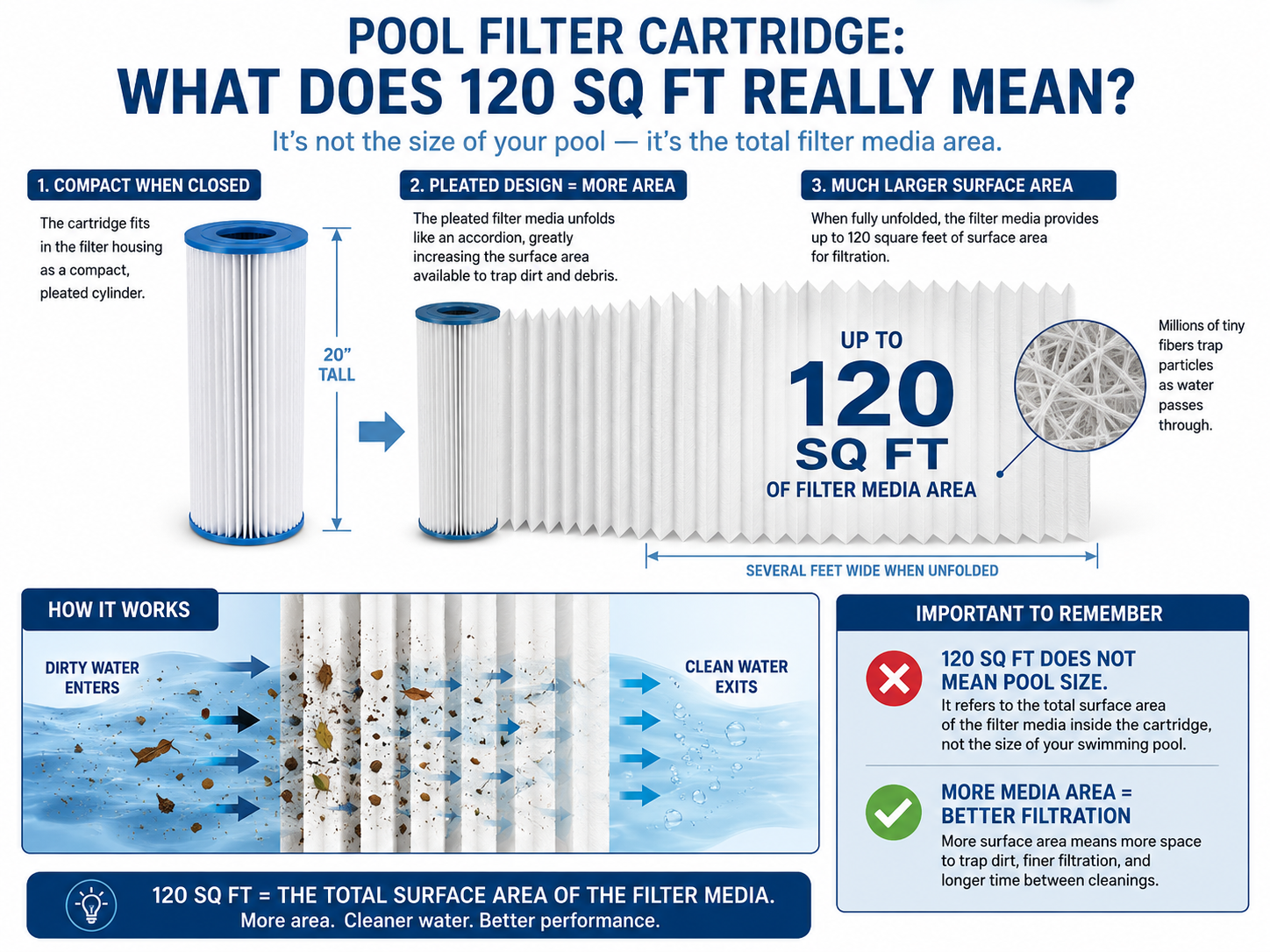
Most pool filter cartridges use a pleated structure. The pleats increase the available filter surface area inside a compact cartridge body. This design allows the cartridge to hold more debris than a flat filter surface of the same outer size.
A typical pool filter cartridge may include:
For replacement buyers, the cartridge must match the original filter housing. A cartridge that looks similar may still fail to fit if the length, diameter, end cap or inner hole is different.
What Does Filtration Area Mean?
Filtration area refers to the approximate surface area of the pleated filter media after it is unfolded. For example, a 120 sq ft pool filter cartridge means the pleated media provides about 120 square feet of filtration surface area.
This does not mean the cartridge is 120 square feet in physical size. It also does not mean the cartridge is only suitable for a 120 square foot swimming pool. It describes the filter media area inside the cartridge.
A larger filtration area can provide more surface for debris capture, but it still needs to match the correct filter system. Filtration area should be checked together with cartridge size, water flow requirement and housing compatibility.
Why Cartridge Size Matters More Than Reference Number Alone
Reference numbers are helpful, but they are not enough by themselves. Many pool filter cartridges share similar names or replacement references, yet small differences in size or structure can affect installation.
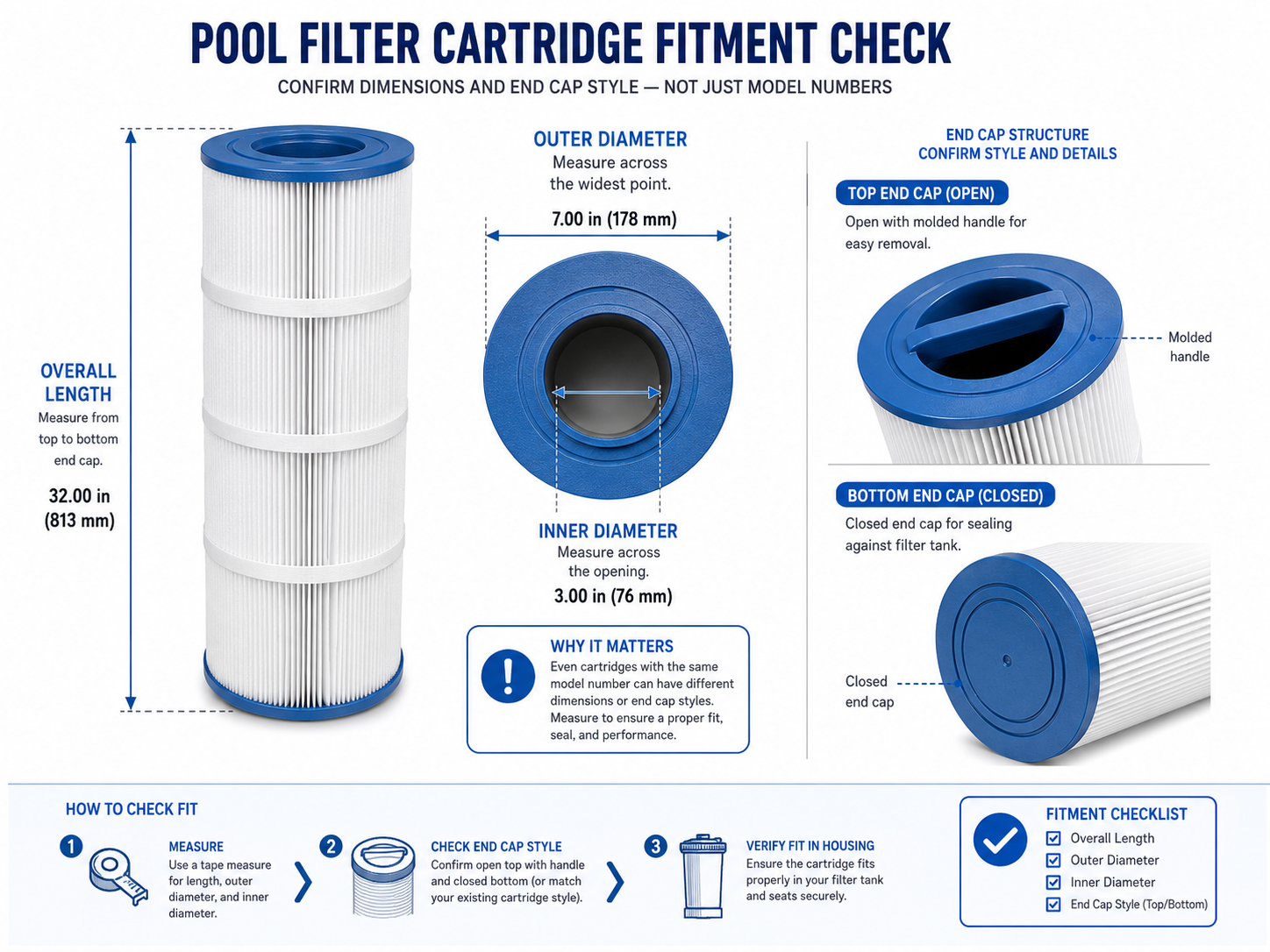
Before choosing a replacement pool filter cartridge, buyers should confirm:
For retail customers, this helps reduce wrong purchases. For wholesalers and distributors, it helps reduce returns, fitment complaints and slow-moving inventory.
Common Pool Filter Cartridge References
Pool filter cartridges are often searched by reference numbers such as C1200, CX1200RE, PA120, C-8412, FC-1293, CCP420, R173576, PCC105 and FC-1977. These references help buyers identify possible replacement options more quickly.
However, reference numbers should always be used together with physical measurements. The safest method is to compare the original cartridge length, outer diameter, inner diameter, end cap structure and filter housing.
| Check Point | Why It Matters |
| Reference Number | Helps identify the replacement cartridge family |
| Filtration Area | Shows approximate pleated media surface area |
| Cartridge Length | Decides whether the cartridge can fit inside the housing |
| Outer Diameter | Affects housing clearance and sealing position |
| Inner Diameter | Must match the center core and water flow structure |
| End Cap Style | Affects installation, sealing and positioning |
| Inner Core | Supports cartridge strength during water circulation |
For B2B orders, original samples, technical drawings or detailed photos are recommended before mass production
.
Pleated Filter Media and Water Flow
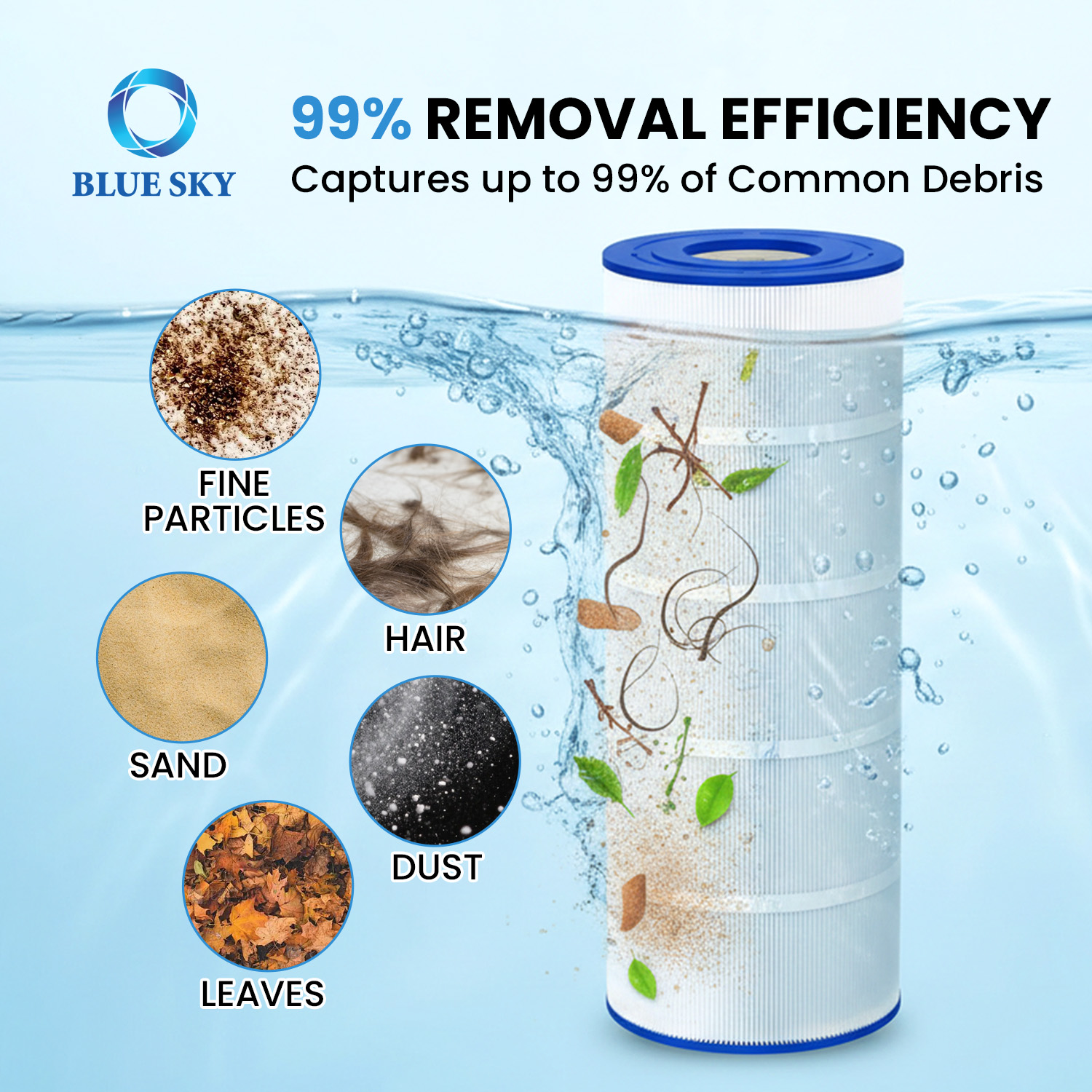
The pleated media is the main filtration part of a pool filter cartridge. Its function is to help capture dirt, sand, leaves, hair, sediments and other particles during water circulation.
A good pool filter cartridge should balance filtration and water flow. If the media is too weak, it may deform quickly. If the structure is too restrictive, it may affect water circulation. The correct design depends on filter system requirements, pool usage, debris load and target market.
Common pool cartridge media options include polyester media and other customized filter materials. Polyester media is widely used because it can be formed into stable pleats and supports routine rinsing during maintenance.
The Role of End Caps and Inner Core
End caps are not just decorative parts. They help position the cartridge inside the filter housing and support sealing stability. If the end cap shape is wrong, the cartridge may not sit correctly inside the filter system.
The inner core supports the pleated media and helps the cartridge keep its shape during water circulation. A weak core may bend, crack or deform under pressure. For larger cartridges or heavy-use pool systems, core strength should be confirmed carefully.
For OEM/ODM projects, buyers may customize:
End cap material
End cap color
Center hole size
Inner core strength
Pleat count
Media weight
Cartridge label
Package style
These details are especially important for private label pool maintenance brands and wholesale distributors.
When Should a Pool Filter Cartridge Be Cleaned?
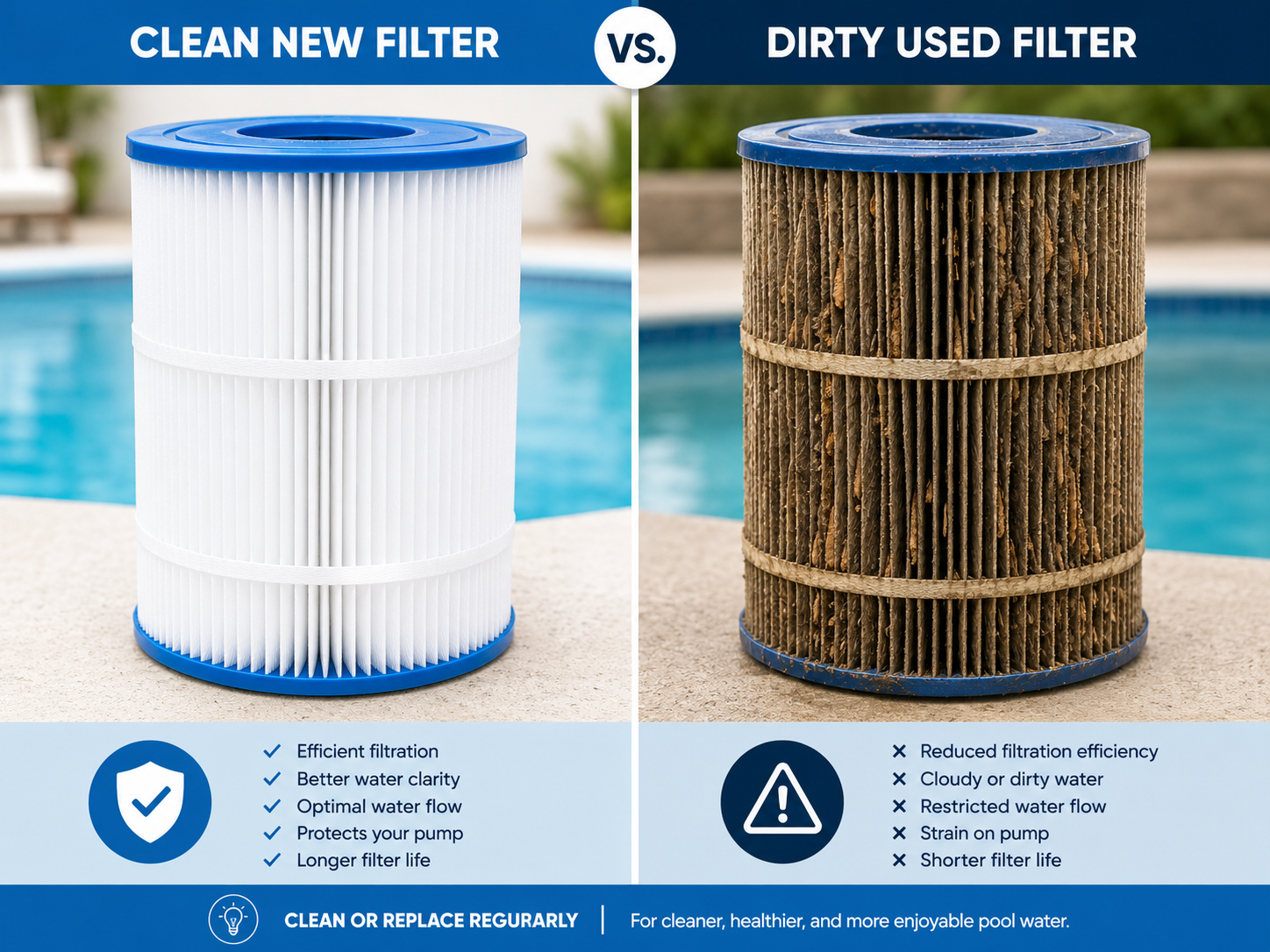
Pool filter cartridges should be checked regularly during the swimming season, especially when the pool is used often or exposed to leaves, dust, sand, insects or algae.
A cartridge may need cleaning when:
Water flow becomes weaker
Filter pressure rises compared with normal operation
Pool water becomes cloudy
The cartridge surface looks dirty
Pleats are filled with debris
The pump seems to work harder than usual
Most cartridge filters are removed from the housing and rinsed with water during routine maintenance. The cartridge should be cleaned carefully between pleats because debris often collects deep inside the folded media.
When Should a Pool Filter Cartridge Be Replaced?
Cleaning can extend cartridge use, but it cannot solve every problem. A cartridge should be replaced when the media is no longer working properly or when physical damage appears.
Replacement is recommended when:
Pleats are flattened or deformed
Filter media becomes hard or brittle
End caps crack or separate
Inner core is broken or weak
The cartridge remains clogged after cleaning
Water flow stays weak after maintenance
Dirt returns quickly to the pool
The cartridge no longer fits securely
For product pages, it is better to avoid promising a fixed service life unless tested data is available. Replacement timing depends on pool size, water quality, cleaning frequency, chemical balance, debris load and usage environment.
Pool Filter Cartridge vs Sand Filter and DE Filter
Pool filtration systems may use cartridge filters, sand filters or DE filters. Each type has different maintenance methods and buyer preferences.
Cartridge filters are popular because they are easy to remove and rinse. They do not need backwashing in the same way as sand filters or DE filters. This can make them convenient for residential pools, spas and hot tubs.
Sand filters are commonly used in many pool systems and are maintained by backwashing. DE filters can provide fine filtration performance, but they also require specific maintenance procedures and filter media handling.
For replacement cartridge suppliers, the focus should be on accurate size, stable pleated media, correct end cap structure and reliable packaging.
OEM/ODM Pool Filter Cartridge Customization
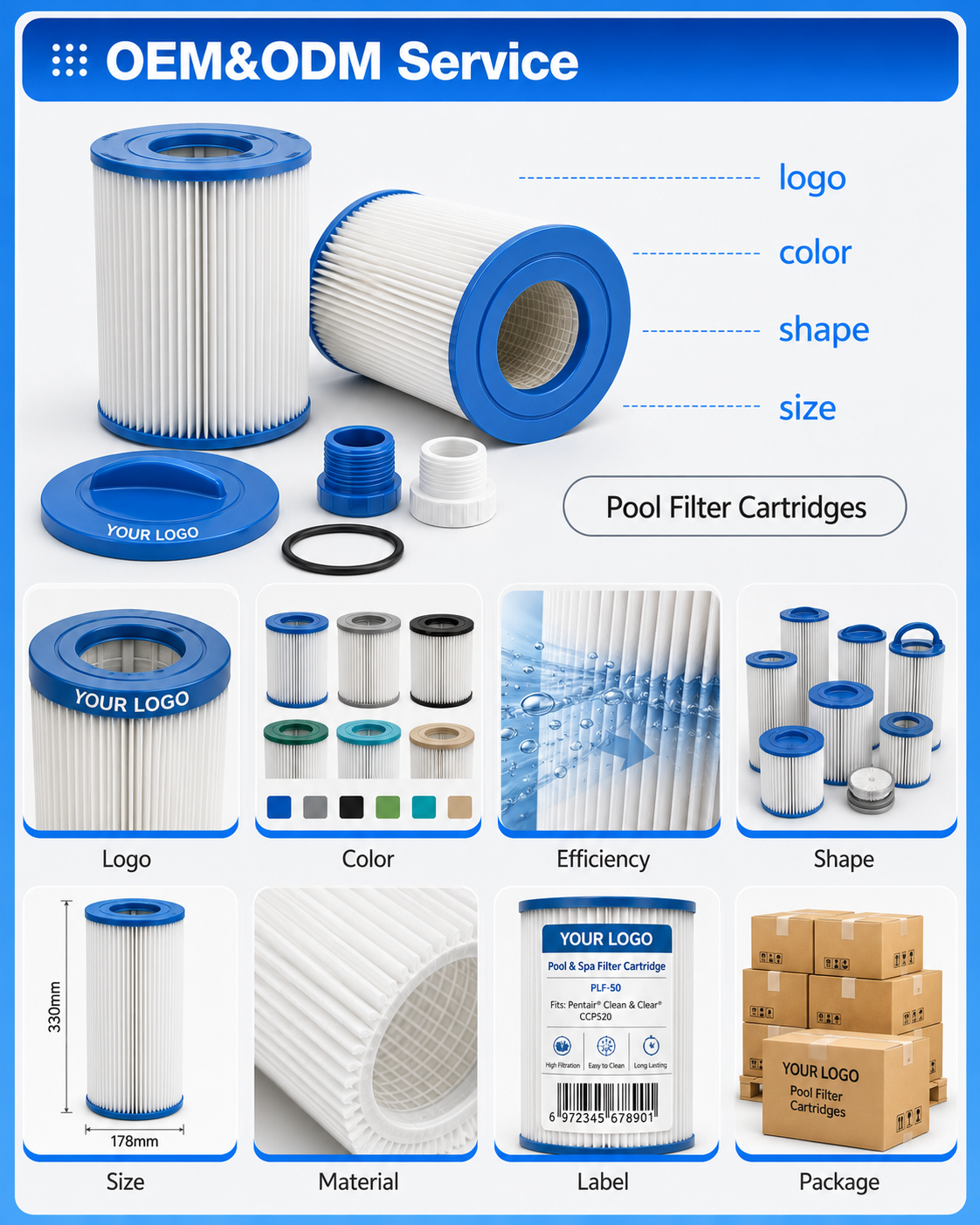
Pool filter cartridges are suitable for OEM/ODM customization because different customers may need different sizes, media, labels and packaging styles.
Common customization options include:
Cartridge size
Filtration area
Filter media
Pleat count
End cap design
Inner core strength
Product label
Color box
Neutral packaging
Barcode label
Bulk carton
Instruction sheet
For private label sales, packaging is especially important. A clear label should show the replacement reference number, compatible filter system, quantity, installation reminder and maintenance suggestion. This helps customers choose the correct cartridge and reduces confusion.
FAQ
Q1: Is 120 sq ft the size of the pool or the cartridge?
A1: No. 120 sq ft refers to the approximate filtration area of the pleated filter media inside the cartridge. It is not the physical size of the cartridge and does not mean the pool area is 120 square feet.
Q2: Can I choose a pool filter cartridge only by reference number?
A2: No. Reference numbers are useful, but buyers should also confirm cartridge length, outer diameter, inner diameter, end cap structure, inner core and filter housing compatibility.
Q3: Why do two cartridges with similar model numbers look different?
A3: Different manufacturers or filter systems may use similar replacement references, but the end cap, center hole, length or pleat structure can vary. Always compare the original cartridge before ordering.
Q4: What causes a pool filter cartridge to clog quickly?
A4: Fast clogging may be caused by heavy debris, algae, sand, poor water balance, high pool usage, delayed cleaning or aged filter media. If clogging continues after cleaning, replacement may be needed.
Q5: Can a pool filter cartridge be washed and reused?
A5: Most pleated pool filter cartridges can be rinsed during routine maintenance. However, if the pleats are damaged, hardened, flattened or still clogged after cleaning, the cartridge should be replaced.
Q6: Why does water flow become weak after installing a cartridge?
A6: Weak water flow may be caused by incorrect cartridge size, clogged media, blocked pleats, wrong end cap structure, dirty pump basket or system pressure issues. The cartridge should be checked together with the pool filtration system.
Q7: What should I check if the cartridge does not fit inside the filter housing?
A7: Check the overall length, outer diameter, inner diameter, top end cap, bottom end cap and center core. Even a small difference in structure may prevent correct installation.
Q8: Are aftermarket pool filter cartridges the same as original parts?
A8: No. Aftermarket pool filter cartridges are made for replacement use. Brand names and reference numbers are used only to describe fitment. Buyers should confirm compatibility before ordering.
Q9: Can the pleated media be customized for OEM pool filter cartridges?
A9: Yes. Filter media, media weight, pleat count, filtration area, end cap material, inner core and size can be customized according to buyer requirements and target market needs.
Q10: What information should wholesalers provide before production?
A11: Wholesalers should provide original cartridge samples or drawings, reference numbers, dimensions, end cap type, inner core structure, media requirement, logo file, packaging style and order quantity.
Conclusion
Choosing the right pool filter cartridge requires more than matching a model number. Filtration area, cartridge size, end cap structure, inner core design, filter media and filter housing compatibility all affect whether the cartridge can be installed and used correctly.
For pool owners, regular inspection, cleaning and replacement help maintain water circulation and cleaner pool water. For wholesalers, distributors and private label brands, accurate size confirmation and stable product quality are the key to reducing fitment complaints.
A well-optimized pool filter cartridge page should explain what the cartridge does, what the reference numbers mean, how to confirm dimensions, when to clean or replace the cartridge, and what OEM/ODM customization options are available. This makes the content more useful for customers, easier for AI search systems to understand, and more effective for long-term product visibility.

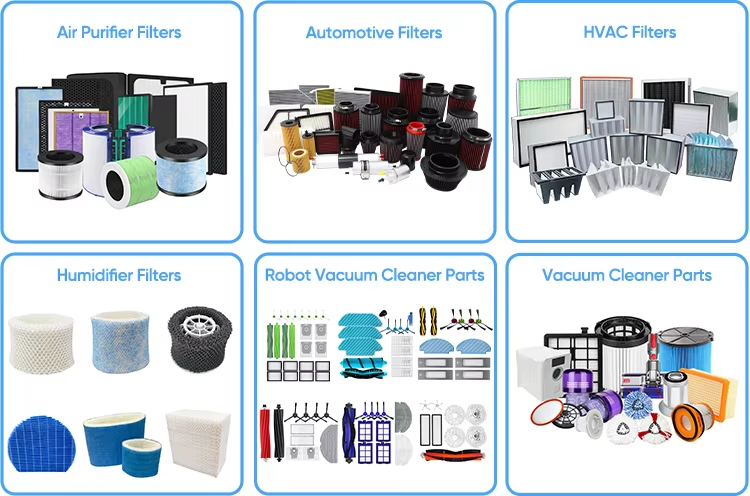
Main product of us
If you want to see our updates in real time on social media, you can follow the following accounts.
LinkedIn: linkedin.com/company/blueskyfilter
Twitter: twitter.com/blueskyfilter
Facebook: www.facebook.com/blueskyfilter.manufacturer/
Youtube: www.youtube.com/@blueskyfilter
Instagram: https://www.instagram.com/nanjingblueskyfilters/